
What Makes Nautical Tourism in Croatia Unique?
Although Croatia has long been one of the world's top sailing destinations, what truly sets its nautical tourism apart from other coastal regions? Beyond just sailing, Croatia offers an experience that blends breathtaking coastline, rich maritime heritage, and world-class sailing facilities. With diverse islands, top-tier marinas, local culture, and a focus on sustainable travel, sailing in Croatia is unlike anywhere else.
A Coastline Designed for Sailing
Few countries can rival Croatia’s 1,700-kilometer coastline, dotted with over a thousand islands, islets, and reefs. The close proximity of these islands makes Croatia ideal for island-hopping, allowing sailors to explore different landscapes and cultural sites without long sea crossings. Unlike other destinations that require extensive offshore navigation, Croatia’s well-indented coastline ensures that safe harbors and anchorages are always nearby.
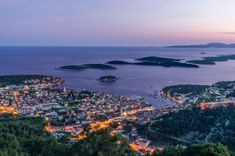
Another key advantage is the variety of sailing routes. Travelers can opt for the serene northern waters, where the Kornati archipelago offers an untouched, remote sailing experience, or the vibrant southern coast, where islands like Hvar and Korčula combine lively nightlife with cultural attractions. This flexibility makes Croatia suitable for both beginners and experienced sailors, offering routes tailored to different sailing preferences.
Rich Maritime Heritage and Culture
Croatia’s long and storied maritime history plays a significant role in shaping its nautical tourism. Coastal cities like Dubrovnik, Split, and Zadar have been deeply connected to the sea for centuries, evident in their historic ports, stone-built harbors, and seafaring traditions. Many of these towns feature well-preserved Venetian and medieval architecture, providing a unique combination of history and sailing not found elsewhere.
The island of Korčula, often considered the birthplace of Marco Polo, showcases Croatia’s seafaring past with its fishbone-patterned medieval streets, designed to protect against strong winds. Meanwhile, Komiža on the island of Vis has a long-standing tradition of wooden boat-building and fishing, both of which remain integral to local life.
Sailing in Croatia isn’t just about moving between locations—it’s about immersing oneself in maritime traditions. Events such as the Vis Regatta and Fiumanka in Rijeka celebrate this legacy, offering visitors the chance to witness or even participate in sailing races that have been held for generations.
A Well-Developed Nautical Infrastructure
One of Croatia’s standout features in nautical tourism is its extensive and well-maintained sailing infrastructure. From large, full-service yacht harbors to smaller, family-run moorings, the country boasts a vast network of marinas. Many of these marinas provide modern amenities such as electricity, Wi-Fi, provisioning stores, and fine dining, ensuring a smooth and enjoyable sailing experience.
As home to one of the world’s largest yacht charter industries, Croatia makes it easy for visitors to rent a vessel suited to their needs. Whether it’s a bareboat charter for independent sailors, a catamaran for a family vacation, or a fully crewed luxury yacht, there are options for every budget and level of experience.
Additionally, Croatia has a well-established maritime safety system, including:
- Clearly marked navigation routes
- Accurate weather forecasting
- Easily accessible emergency services
These measures allow sailors to explore the Adriatic with confidence.
Sustainable Nautical Tourism and Eco-Friendly Travel
Unlike some heavily developed tourist regions struggling with over-tourism and environmental degradation, Croatia has taken proactive steps to promote sustainable nautical tourism. Many of its national parks and marine reserves, including Mljet and the Kornati Islands, enforce strict regulations to protect marine ecosystems.
Sailors are encouraged to follow eco-friendly practices, such as:
- Responsible waste disposal
- Avoiding anchoring on fragile seagrass meadows
- Respecting marine protected areas
Several marinas have also implemented green initiatives, such as solar-powered facilities and sustainable waste management systems. The growing availability of electric and hybrid boats is another testament to Croatia’s commitment to reducing the environmental impact of nautical tourism.
A Unique Blend of Adventure, Culture, and Relaxation
What makes sailing in Croatia truly special is the balance between adventure, culture, and relaxation. The Adriatic offers ideal sailing conditions, with moderate winds and calm waters, making it accessible for sailors of all skill levels. But beyond just sailing, Croatia’s coastal towns and islands provide an array of immersive experiences.
- Adventure seekers can enjoy activities such as diving, snorkeling, and paddleboarding.
- History enthusiasts can explore ancient fortresses, UNESCO-listed sites, and medieval towns.
- Food lovers can indulge in locally produced wines, fresh seafood, and traditional Mediterranean dishes.
- Those looking for relaxation can anchor in secluded bays, enjoying the serenity of the open sea under a starlit sky.
One of the defining features of Croatia’s nautical tourism is the ease with which travelers can shift between exhilaration and tranquility. Whether seeking high-energy sailing races and vibrant nightlife or a peaceful retreat in a remote anchorage, Croatia offers the perfect sailing experience.


