

Anchoring is a vital skill that every skipper must understand since it has a direct influence on everyone's safety and comfort. When you locate the ideal bay, the last thing you want is to encounter unforeseen problems that ruin your peaceful vacation. Proper anchoring not only assures a restful night, but also lets you to completely appreciate the beautiful surroundings and activities throughout the day. In this article, we will go over basic recommendations for safe anchoring, guiding you through the complexities of selecting the proper site, checking seabed conditions, and assuring stability for a peaceful stay at sea. Whether you're an experienced sailor or new to the ocean, these tips can help you improve your anchoring abilities and have wonderful nautical adventures.
Safe Anchoring: Advice from an Experienced Skipper for a Comfortable Stay in a Bay
Dear fellow skippers,
When preparing to anchor in a beautiful harbour, it is important to take numerous preparations to guarantee a safe and comfortable trip at sea. Here are some specific recommendations to help you get the most out of your anchoring experience:
Finding the ideal bay:
Choosing the perfect location to anchor in might be the difference between a quiet rest and an unpleasant surprise. An excellent bay protects your sailboat from wind and waves while providing a tranquil environment. Look for a bay with appropriate depth and room to manoeuvre, allowing for secure anchoring without striking the bottom or other boats.
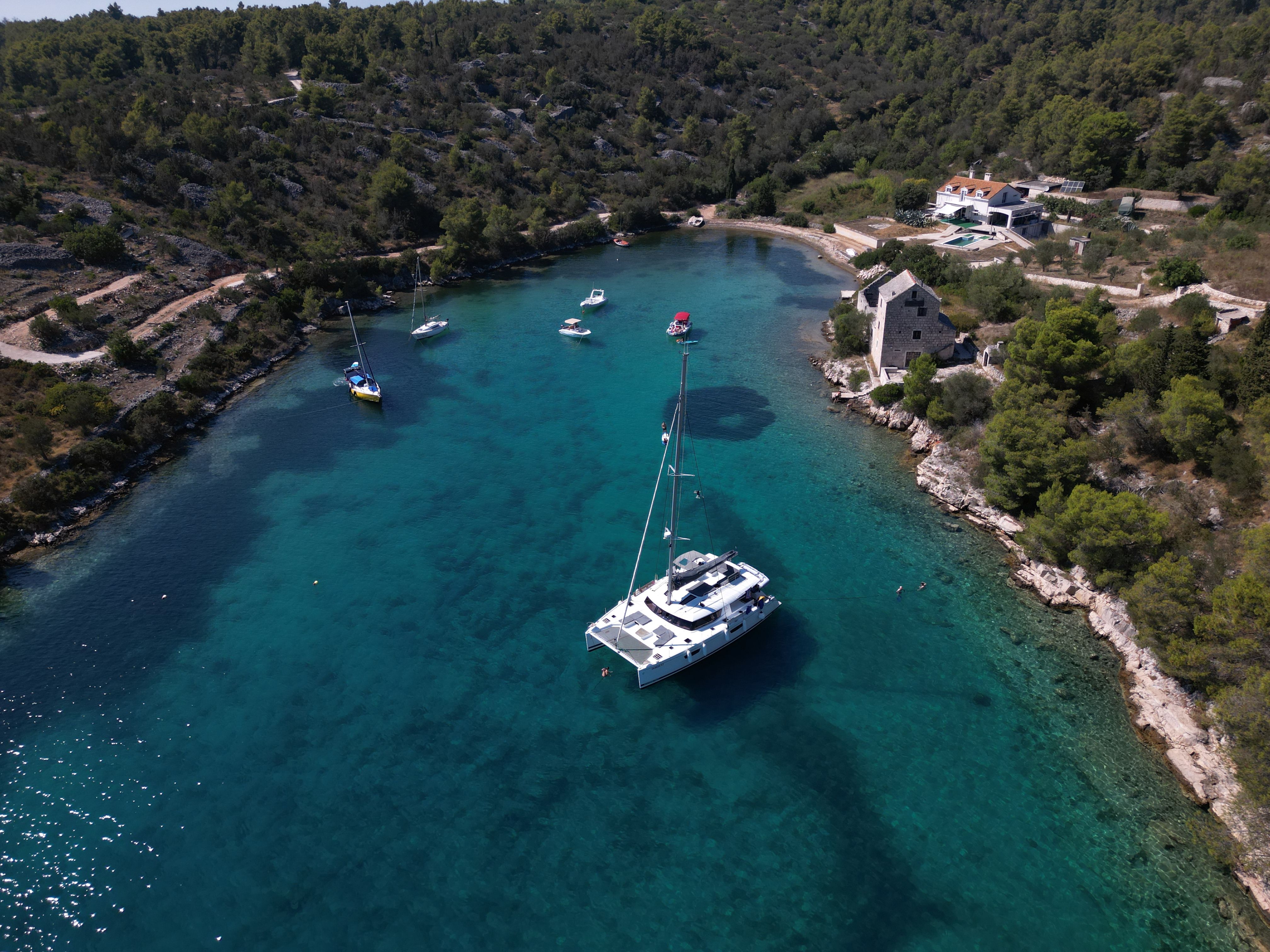
Depth Check:
Before dropping anchor, you should examine the water depth at the intended location. The depth must be adequate to safely anchor your vessel, taking into consideration not just the present water level but also any fluctuations caused by tides. Also, look for any obstructions, such as rocks or submerged buildings, that might harm your boat. Analysing the seabed Understanding the nature of the seafloor is critical for selecting the appropriate anchoring mechanism. Different types of seabeds, such as mud, sand, and gravel, need different anchors and anchoring systems to maintain stability. For example, in muddy circumstances, a hook anchor may be more effective, but on sandy bottoms, a flat fluke anchor may be favoured.

Anchoring activities during the day:
For shorter periods, such as swimming or sitting on the deck, three lengths of chain are advised to provide adequate security while allowing for mobility. After your activities, you will be able to swiftly and conveniently lift the anchor and continue your cruise or explore the coastline.
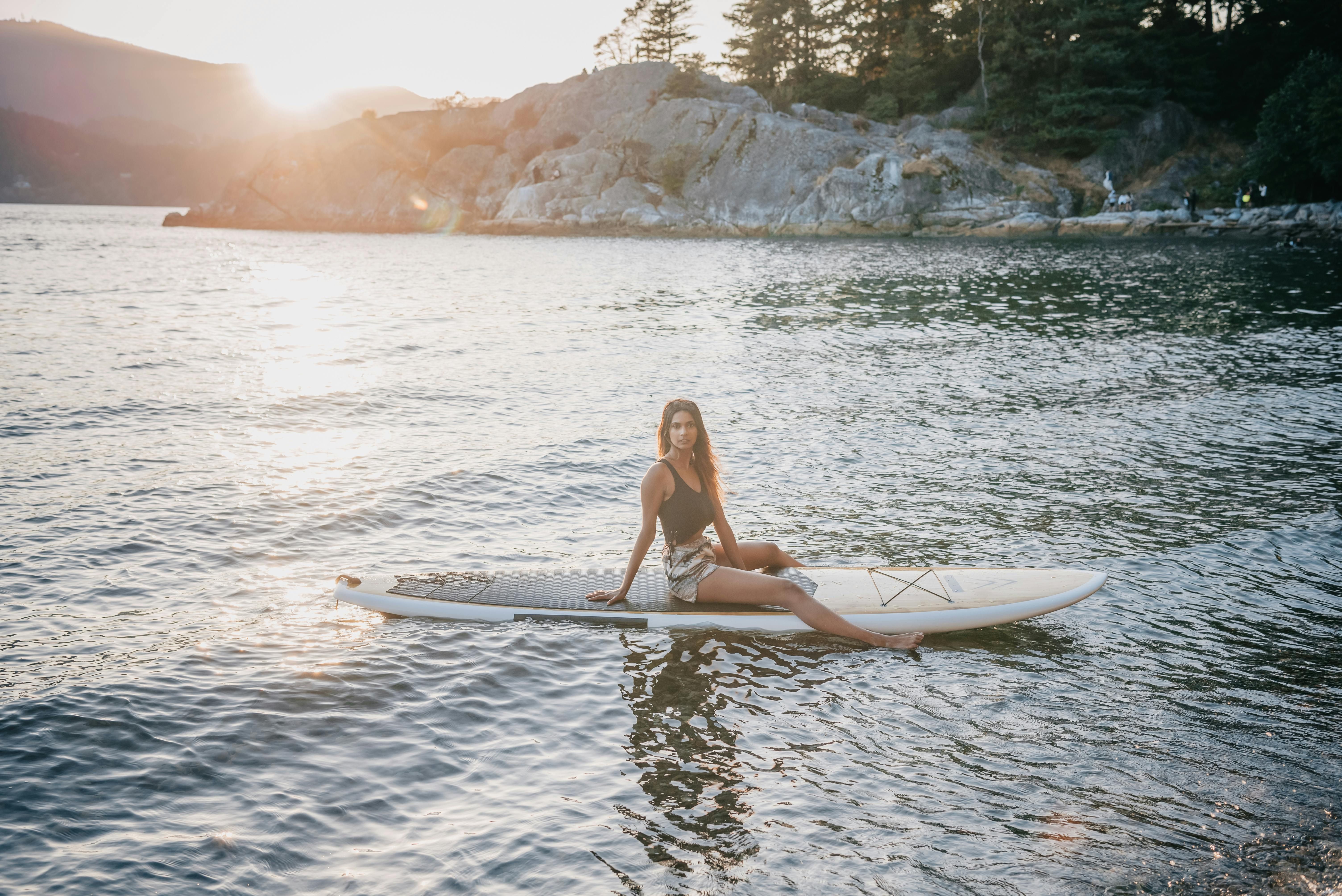
Overnight anchorage:
Longer visits or overnight anchoring require more security. It's best to utilise five lengths of chain to keep your vessel stable throughout the night and throughout any weather fluctuations. This guarantees that your boat remains stable with minimum movement or chance of drifting, keeping you and your guests safe. By adhering to these standards, you can guarantee that your anchorage is safe and pleasant for both you and your visitors. To really enjoy your time in the bay, be prepared to change your strategy based on the circumstances and surroundings.

I wish you a nice cruise and pleasure of the sea's splendour!


