

I’m writing this text to share some tips that I, as a skipper, follow to prepare and secure the boat for bad weather or an upcoming nevera. (Nevera is a sudden and short-lived weather phenomenon typical of the Adriatic Sea, often accompanied by strong winds, heavy rain, and thunderstorms.) I hope that you, as someone who sails their own boat, or as another skipper, will find something useful here that you can apply next time you expect adverse weather conditions.
Plan Ahead
As a skipper, the first thing I always do is monitor the weather forecast in advance. Every morning, I check what’s expected for the upcoming period. If it looks like bad weather is coming, I immediately start planning and reserving a spot in a safe, but also scenic, marina so that my planned route doesn’t change too much.
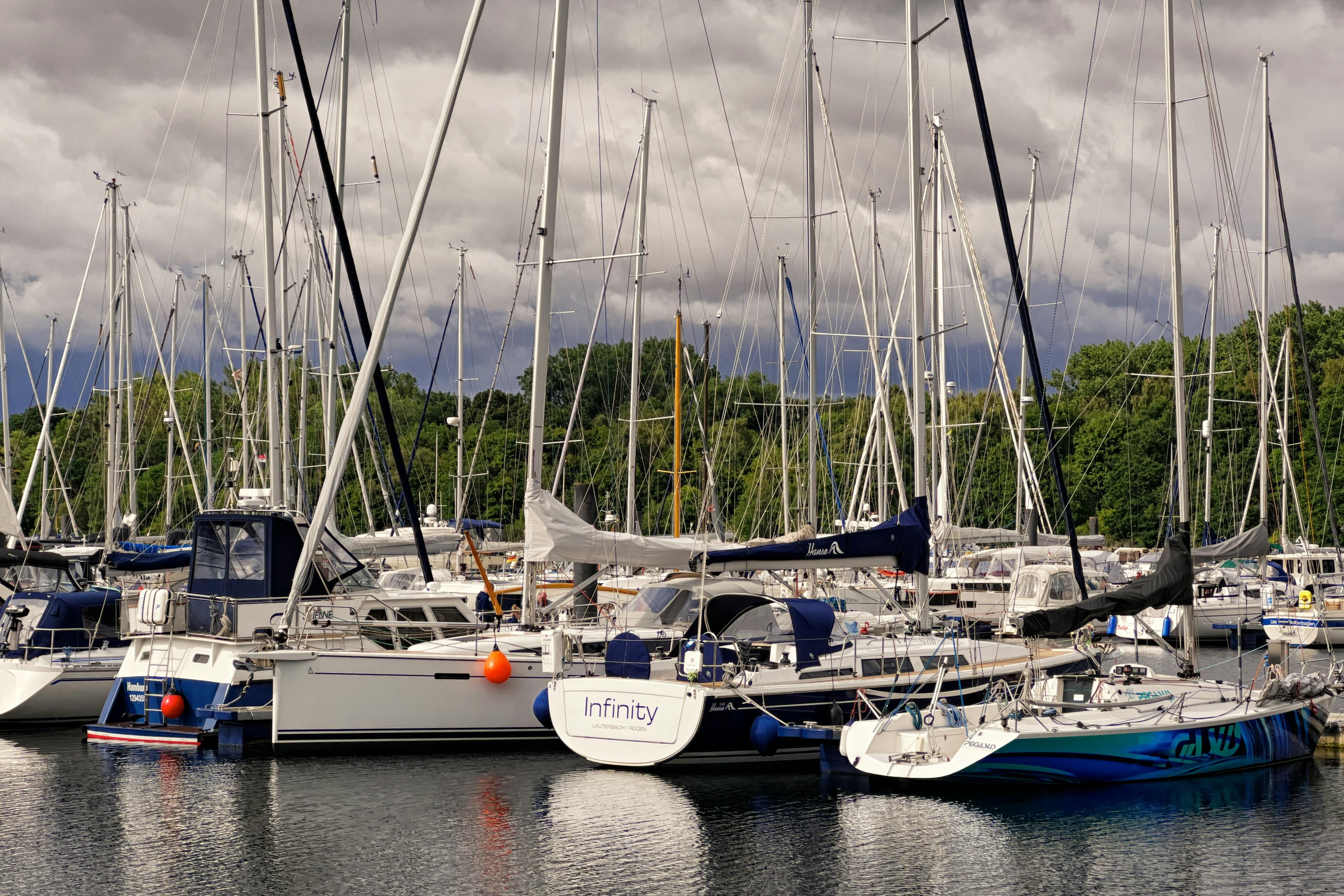
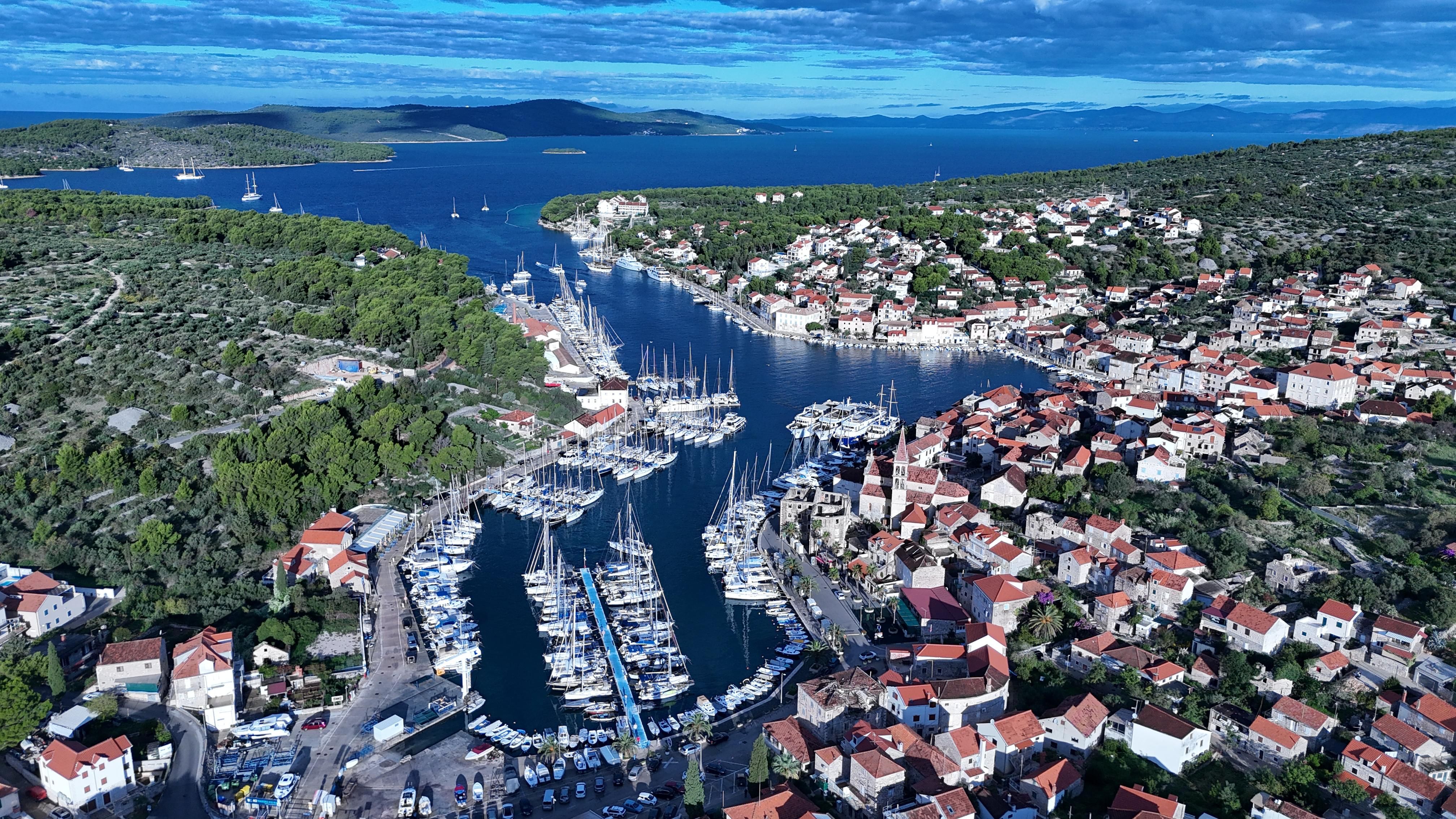
Reservations are key because, as I always say, if I know bad weather is on the way, then others definitely know too. By securing a spot in advance, I already make my job 50% easier, knowing that I have a safe place in the marina or city quay waiting for me. Even if it means arriving a few hours earlier and losing some time for swimming, it’s always better to be tied up securely. This "lost" time is always made up for, and the safety of the boat and crew is the most important thing.
Preparing the Boat in the Marina
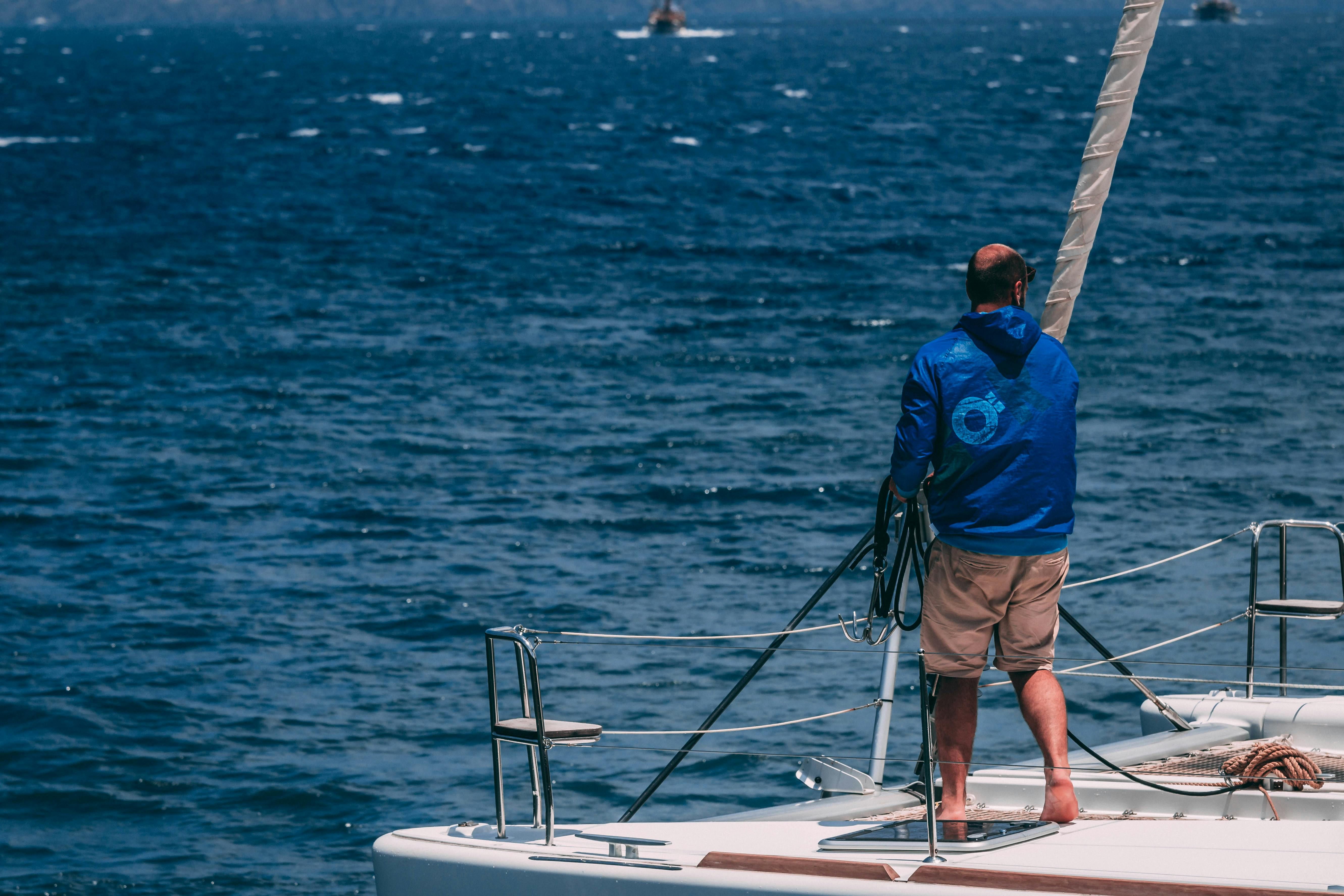
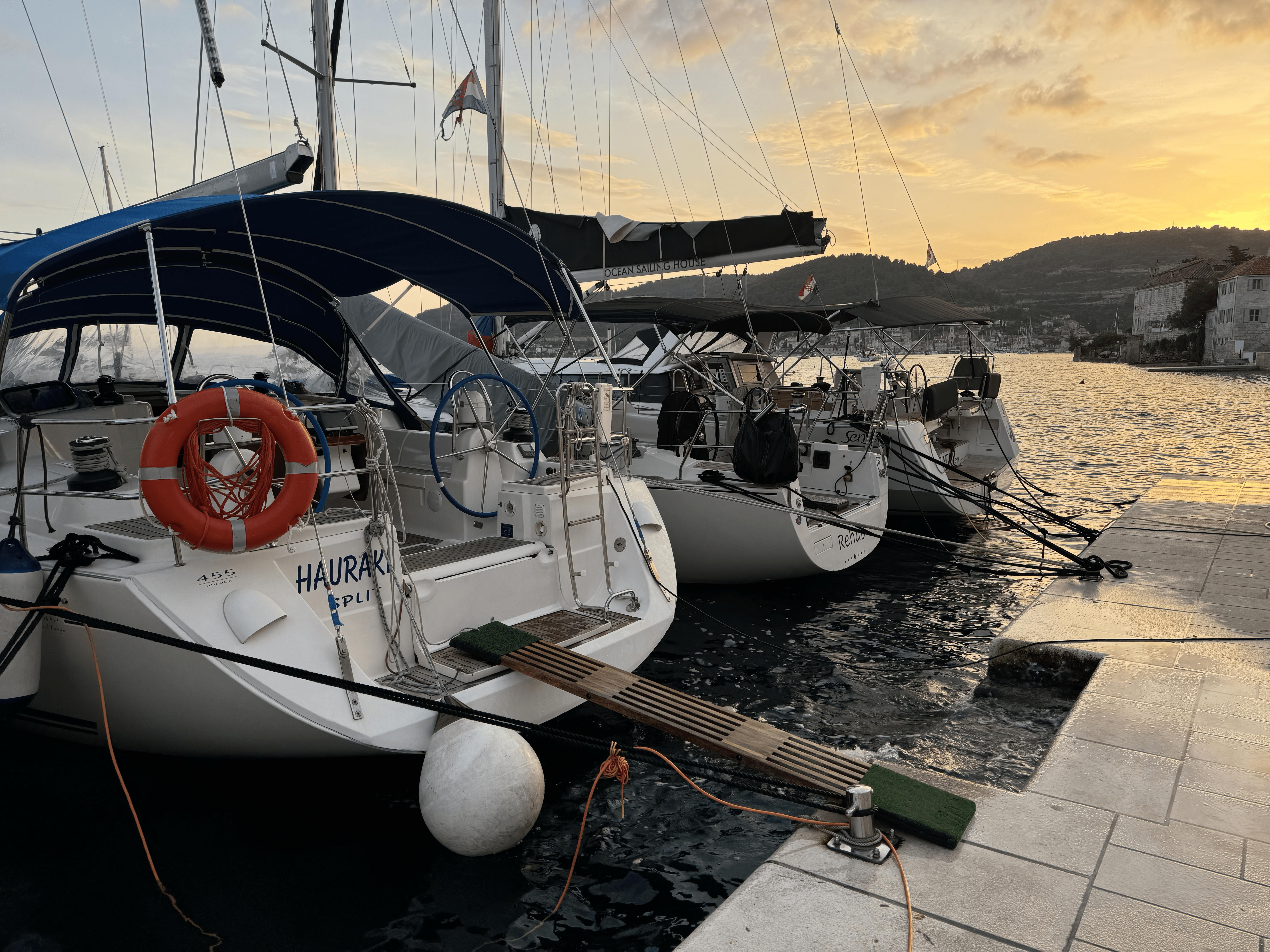
After I’ve tied the boat in the standard way with two stern lines and two mooring lines, if possible, I then take extra precautions. I start by moving the stern slightly away from the quay and extending the mooring lines. Next, I use the engine in reverse to further extend the stern lines, ensuring that the boat can’t hit the quay. This way, I know the boat is securely positioned.
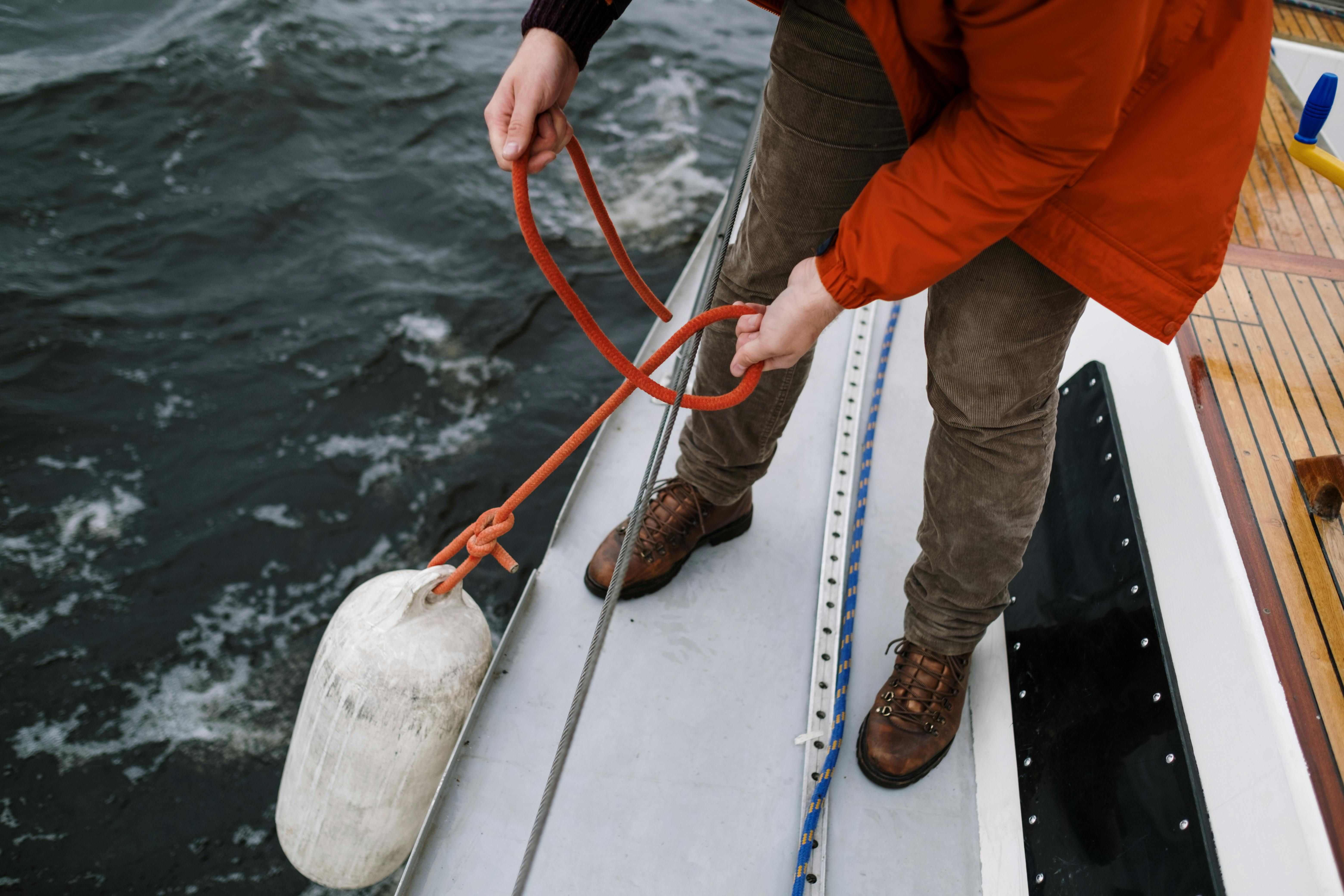
I then place the fenders at the desired height and check both my fenders and those of the neighboring boats to make sure everything is in place. If necessary, I add more fenders where I think they’re needed, whether at the stern or on the sides, to ensure the boat is protected.
Next, I inspect the condition of my mooring lines to make sure they’re intact and not frayed anywhere. If needed, I replace any damaged ones. I also take a few extra ropes and keep them in the cockpit so they’re always within reach. If necessary, I’ll even add a spring line to help with additional stabilization.
At this point, the boat is fully secured and ready for the upcoming weather.
Monitoring Weather Conditions
For me, the most important thing is always to be prepared in advance, and that includes monitoring weather conditions. Every morning, I check the forecast either via mobile apps or on the VHF radio. If the forecast worsens and bad weather or strong winds are predicted, I immediately start thinking about the next steps.
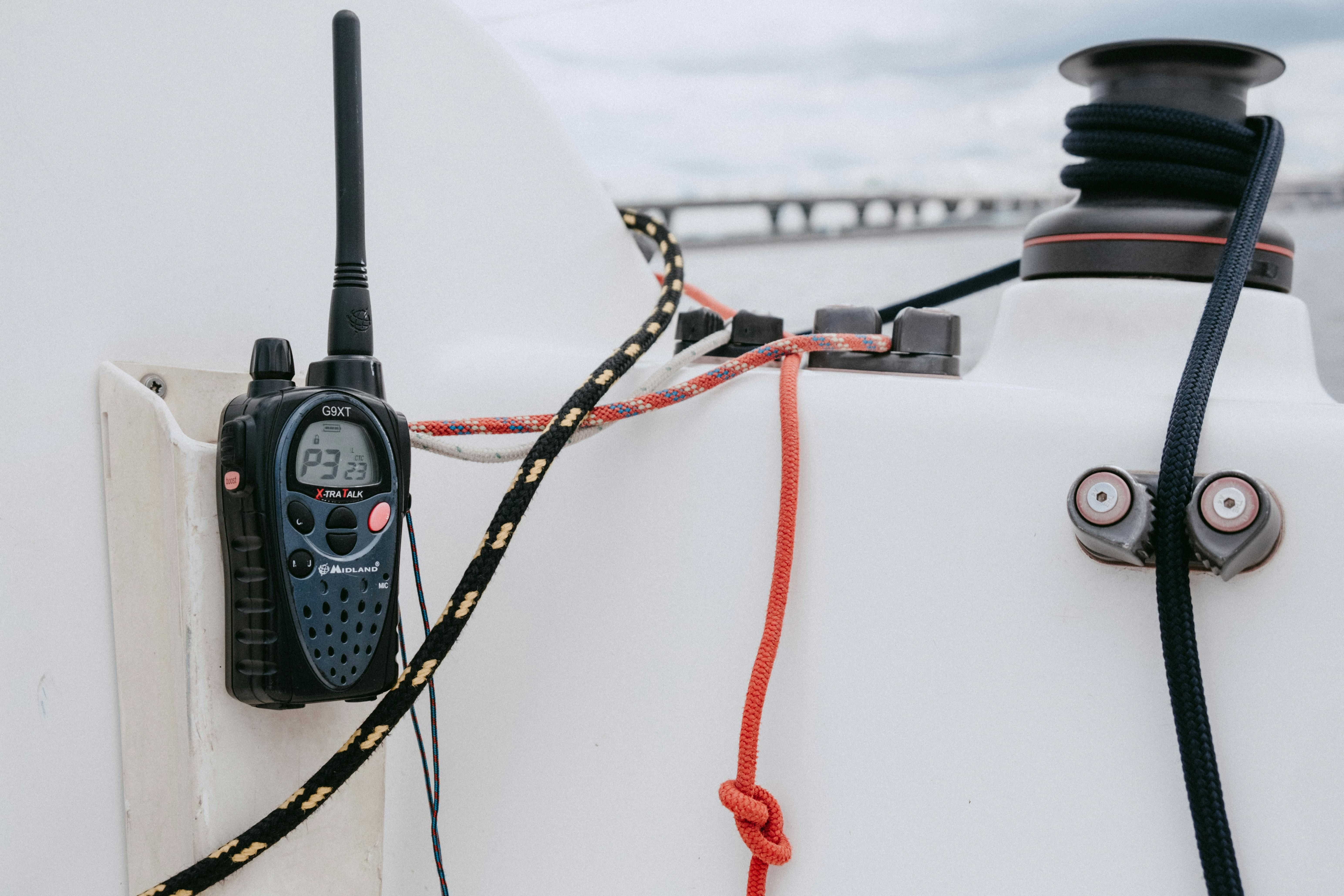
In such cases, I don’t just rely on the forecast but also check local sources for weather warnings. That way, I can make timely decisions – whether it’s reducing speed, heading into a marina, or simply finding a safe spot to anchor.
I never underestimate weather changes because the Adriatic can be very unpredictable, so it’s better to be cautious and prepared for anything than to gamble with bad conditions at sea.
Safety of the Crew and Equipment
Once the boat is tied up and I know what comes next, the next step is to secure anything that could potentially fly away. First, I start with the sun cushions and remove them all, either storing them in a compartment if the boat is large enough or moving them into the saloon to make sure they don’t get blown away. I don't want those cushions getting "wings" and flying off somewhere.
Next, I check all the windows and openings that could be left open and close them to ensure that if it rains, no water will get inside the boat. I also put away water toys like the SUP, paddle, kayak, or inflatable items, tying them down with extra ropes to make sure they don’t fly off.
I take care of towels and swimsuits that are always drying on the railings or deck of the boat. If I’m on a sailboat or catamaran, I make sure mast lines are secured to the designated spots to avoid any noise or damage caused by things banging into the mast.
Preparing for the Night
Once all the previous steps are done, the boat is secured. But there’s one more important thing: I never leave the boat when bad weather or a storm is coming. My presence is always on board, or I stay somewhere where I can see my boat. A second is all it takes for a problem to arise, and by staying close, I can resolve it immediately.
I’m always there to help, either for my own boat or the surrounding boats. Just because you’ve done everything right doesn’t mean that other boats have done the same. That’s why I stay on board and keep a close eye on everything.
I hope you’ve found these tips useful and that you’ll be able to apply some of them the next time you’re preparing your boat for bad weather. As skippers, we need to be prepared for the unexpected, and by taking the right precautions, we ensure the safety of both the boat and crew.
Thank you for reading, and wishing you calm seas and a good wind!


